

President Trump on June 4 doubled tariffs on steel, aluminum, and derivative product imports from 25 to 50%. The proclamation, which was announced on May 30, was released on June 3 with the new rates taking effect the following day.
The elimination earlier this year of previously negotiated country exclusions and firm-specific exclusions granted by the Commerce Department means the tariffs bite harder than they did in the 2018-2024 period. Also, tariffs are now being applied to a range of derivative items made with steel and aluminum, including auto parts, cookware, construction materials, and more.
No Exceptions: National Economic Council Director Kevin Hassett said he expected few—if any—exceptions to be granted by the administration, and none have been granted to date. Hassett also deferred on questions regarding whether the administration would consider country-specific carveouts or modifications, as was done in the president’s first term (in some cases with quotas or tariff-rate quota deals).
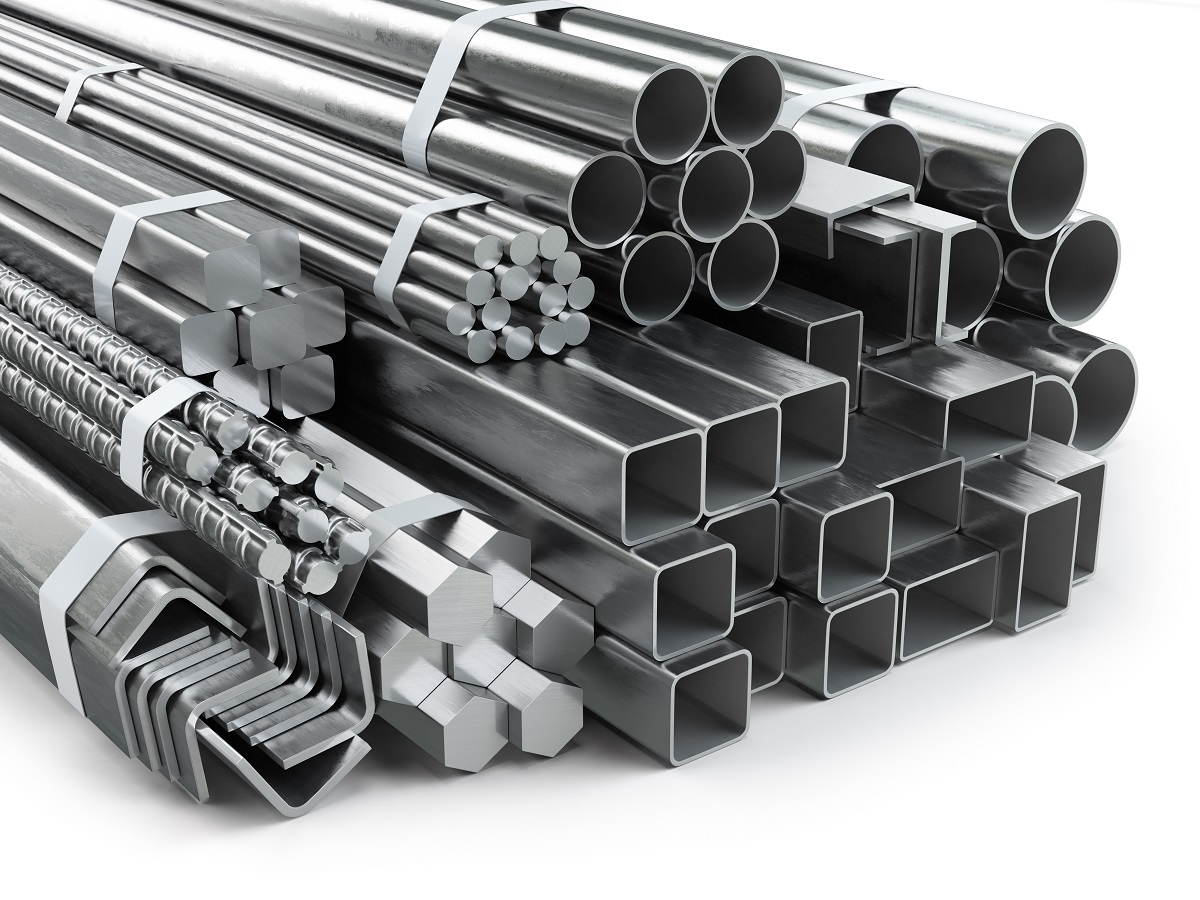
Pain Downstream: U.S. Chamber Senior Vice President and Head of International John Murphy this week conveyed how the steep duties would hurt U.S. manufacturers in particular, especially when inputs are not domestically available. He wrote in part:
“U.S. steel benchmarks are now roughly twice world prices. The U.S. hot rolled coil benchmark has hovered around $900 per ton since the rebooted tariffs were applied in March, with the world export price around $450….
“The duty on aluminum was 10% in 2018; today it is 50%. The United States imports more than half the aluminum it needs, mostly from Canada, and the production capacity needed to replace these imports simply does not exist domestically.”
For further information, please contact Senior Vice President and Head of International John Murphy (jmurphy@uschamber.com).